Tips for a Successful Beginning-of-Year Parents’ Night
Parents’ Night is your chance to set the tone for the school year, build trust, and start strong partnerships with families.
It’s completely normal to feel a little anxious before Parents’ Night—after all, you’re meeting families who care deeply about their children. Remember: parents aren’t there to judge you, they’re there to partner with you. Focus on the positives—your passion for teaching, the safe classroom you’ve created, and the opportunities you’re offering their children. A few deep breaths, a smile, and a simple opening line (like “I’m so excited to work with your children this year”) can go a long way in easing nerves and setting a welcoming tone.
Here are some strategies to make it your first parents' night successful:
1. Set the Tone Early
Welcome families warmly at the door.
Share your excitement for the year ahead and highlight your classroom values.
2. Share Your Vision & Expectations
Clearly outline classroom routines, homework policies, and behavior expectations.
Emphasize how you’ll support both academic and social-emotional growth.
3. Spotlight Student Experience
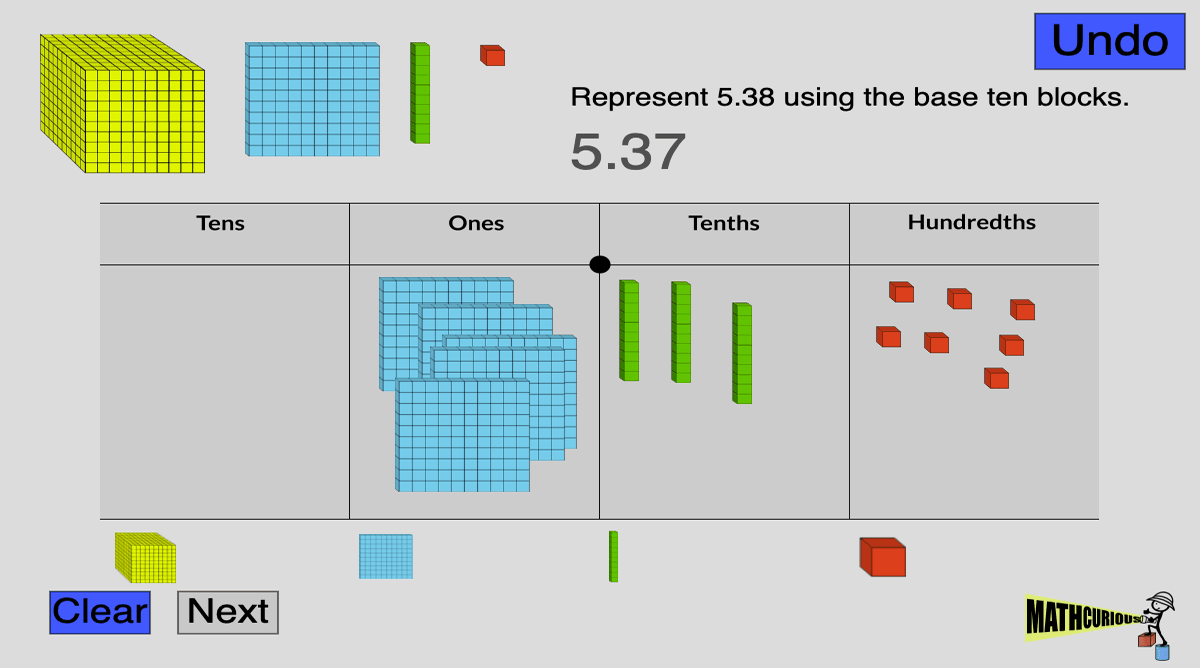
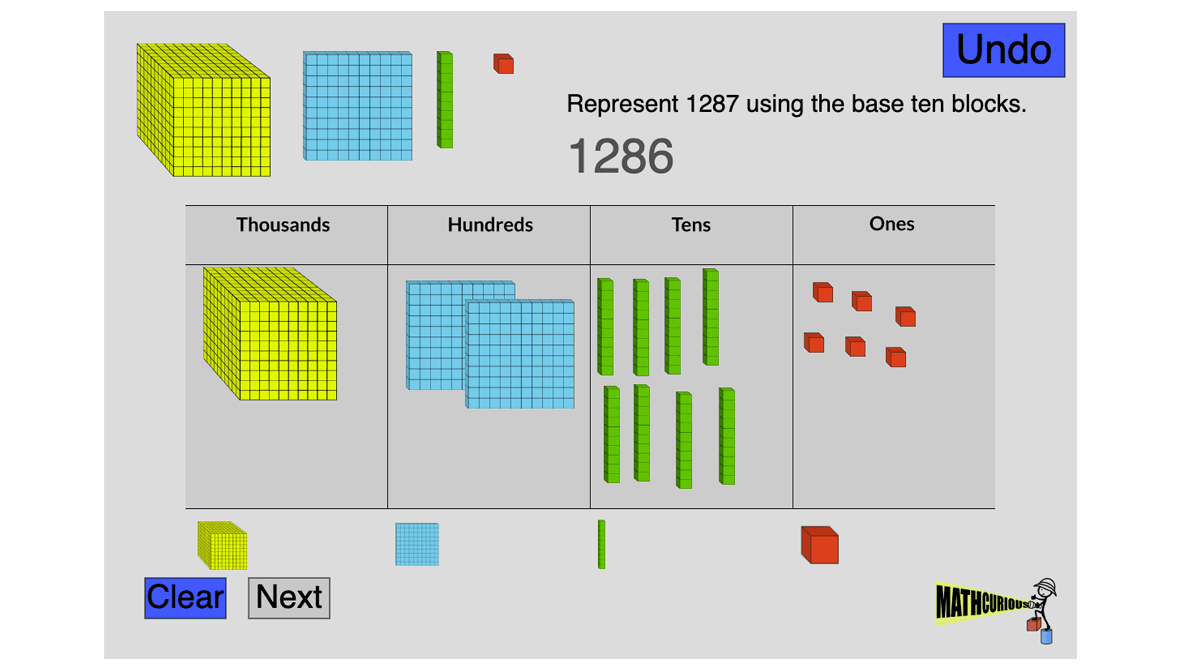
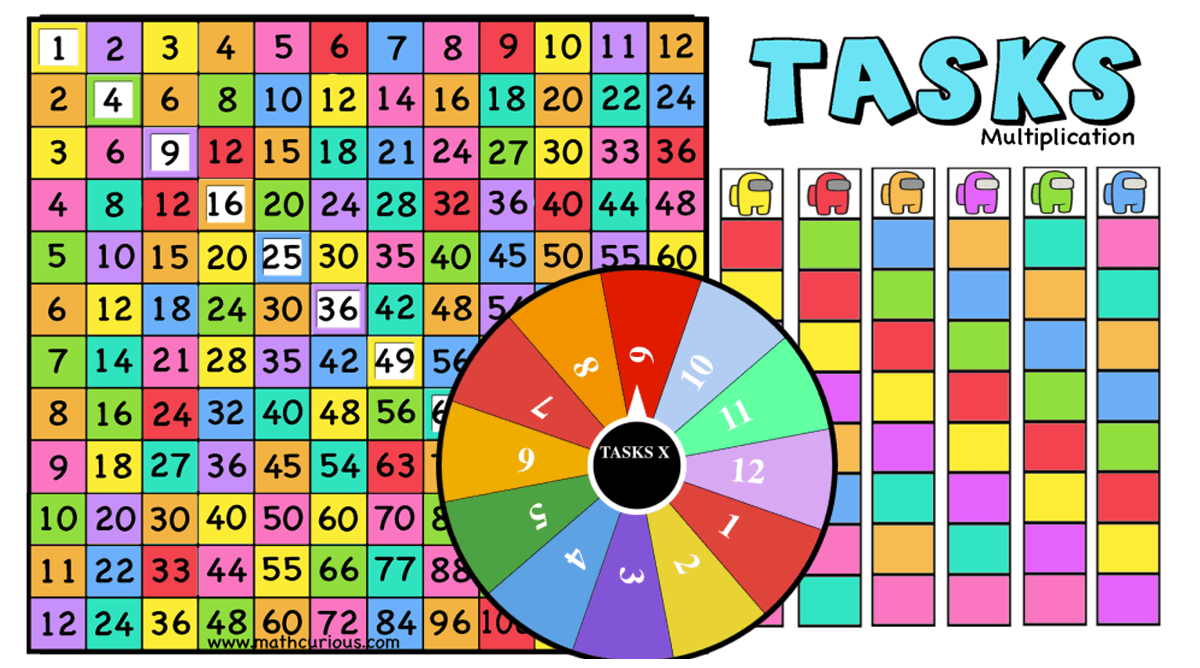
Showcase a “day in the life” of your class—through photos, sample schedules, or student work.
Let parents see what their children will be learning and experiencing.
4. Keep Communication Clear & Positive
Parents’ Night often sets the foundation for how families will view communication with you for the rest of the year. Make it count by keeping your message both accessible and encouraging:
Be Transparent, but Simple: Share information in a straightforward way—avoid education jargon when possible. Instead of “formative assessments,” say “regular check-ins on learning.”
Highlight the Positives First: Start by sharing your enthusiasm for working with their children and the unique strengths you’ve already noticed. This builds trust before discussing expectations.
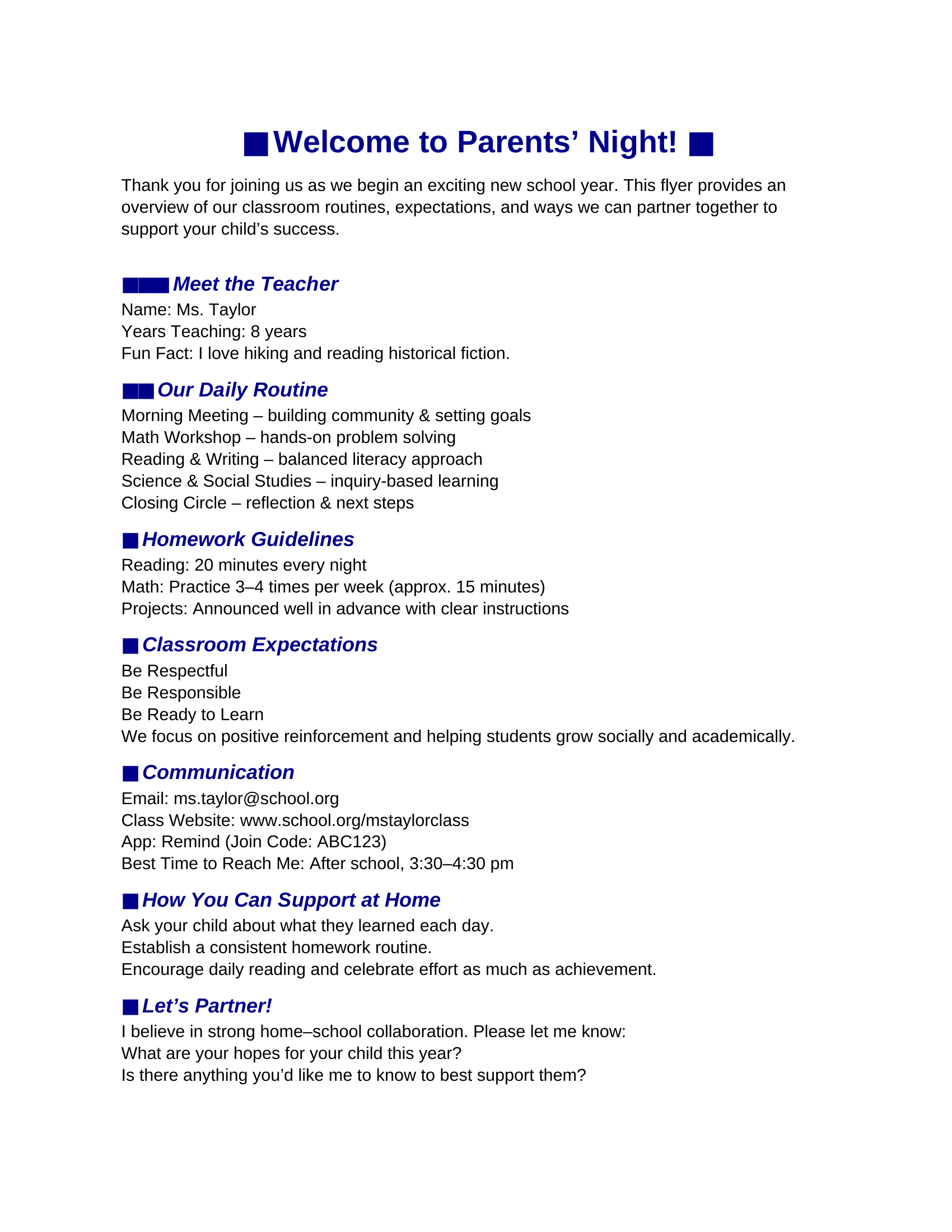
Provide Key Information in Writing: Parents may be overwhelmed with details. Handouts, (sample at the end) slides, or a QR code linking to your classroom website help them revisit important points later.
Use Examples: Instead of only saying “students will work on reading fluency,” show a sample passage or short video of what that looks like in practice. This makes your message more concrete.
Stay Approachable: Make it clear you want communication to be a two-way street. Share the best ways to reach you (email, class app, office hours), and reassure them that you welcome questions.
5. Invite Parent Voice
Ask about families’ hopes for the year.
Provide a short survey or notecard for parents to share strengths, needs, or goals for their child.
6. Stay Organized & Respect Time
Have a clear agenda for the evening.
End on time, and offer follow-up conferences for parents who want a deeper conversation.
7. Leave Families with Confidence
End with a positive message: that you’re excited to work with their child and see growth this year.
Provide contact information and let them know you’re a partner in their child’s success.
Here is a sample hand out with the key information.