Dealing with the Gaps in Pre-Requisite Knowledge in Maths
Mathematics is a cumulative subject, meaning each new concept often builds on what has been previously learned. This characteristic makes pre-requisite knowledge – the foundational understanding that students must have to learn new mathematical concepts – a critical component of math education. However, ensuring that all students have this necessary background knowledge can be a significant challenge for educators.
The Importance of Pre-Requisite Knowledge
Pre-requisite knowledge in math serves as the building blocks for more advanced concepts. Without a firm grasp of these foundational elements, students may struggle to understand new material, leading to gaps in learning and a decrease in confidence.
Challenges Faced by Educators
One of the main challenges in teaching math is the diverse range of abilities and prior knowledge in a single classroom. Some students may have a strong grasp of the fundamentals, while others may have missed or not fully understood critical concepts.
Strategies for Addressing Pre-Requisite Knowledge Gaps
- Assessing Student Understanding Early: Before diving into new material, assess students’ understanding of pre-requisite knowledge. This can be done through pre-tests, quizzes, or informal assessments.
- Incorporating Review Sessions: Allocate time to review key concepts at the beginning of a new topic. This practice ensures that all students start with the necessary understanding.
- Differentiated Instruction: Tailor teaching methods to meet the diverse learning needs in the classroom. Group students based on their proficiency levels and provide targeted instruction that addresses specific gaps.
- Utilizing Peer Tutoring: Encourage peer-to-peer learning. Students who grasp the material quickly can help those who are struggling, reinforcing their understanding in the process.
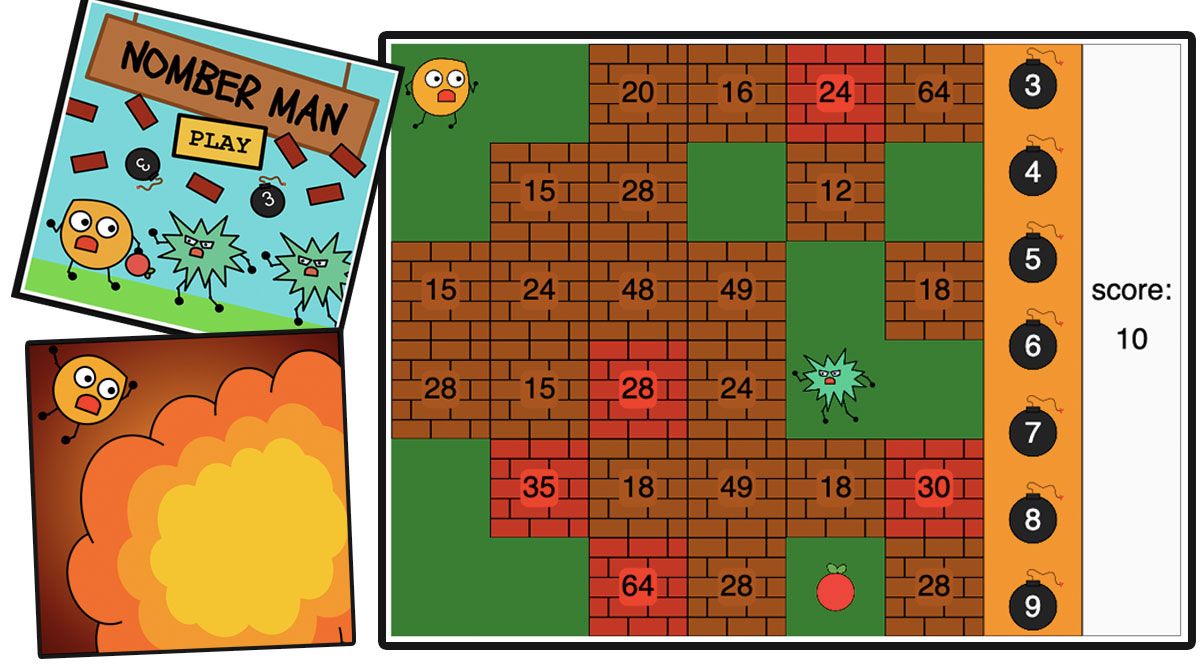
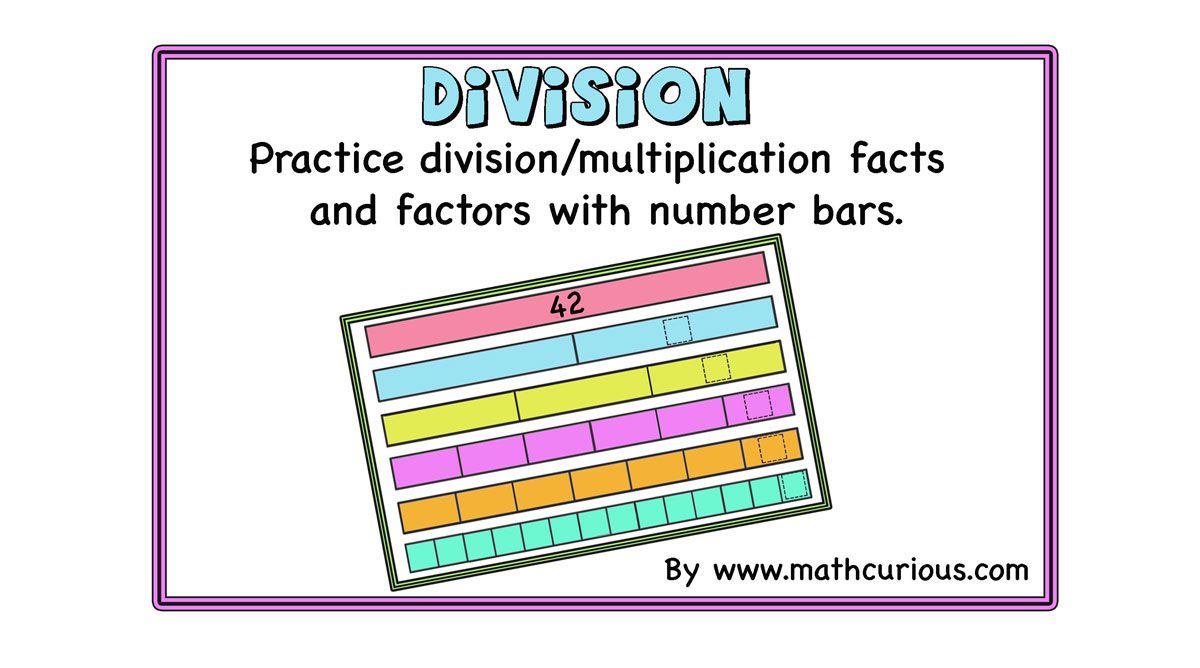
- Integrating Technology: Leverage educational technology tools that can provide personalized learning experiences. Adaptive learning software can identify and address individual students’ pre-requisite knowledge gaps.
- Building a Supportive Environment: Foster a classroom culture where asking questions and seeking help is encouraged. This approach helps identify and address gaps in understanding without stigmatizing those who need more support.
- Continuous Monitoring and Feedback: Regularly monitor student progress and provide timely feedback. This ongoing assessment can help identify and address gaps in understanding as they arise.
- Creating Resource Banks: Develop a resource bank with materials focused on pre-requisite skills. This can include worksheets, video tutorials, and interactive online exercises.
- Parental Involvement: Engage parents in their child’s math education. Provide them with information on key concepts and how they can support learning at home.
- Professional Development for Teachers: Equip teachers with strategies and resources to effectively assess and address pre-requisite knowledge gaps. Continuous professional development is vital in this ever-evolving educational landscape.