Math Curious Blog
Discover articles, tutorials, and explorations of mathematical concepts for curious minds.
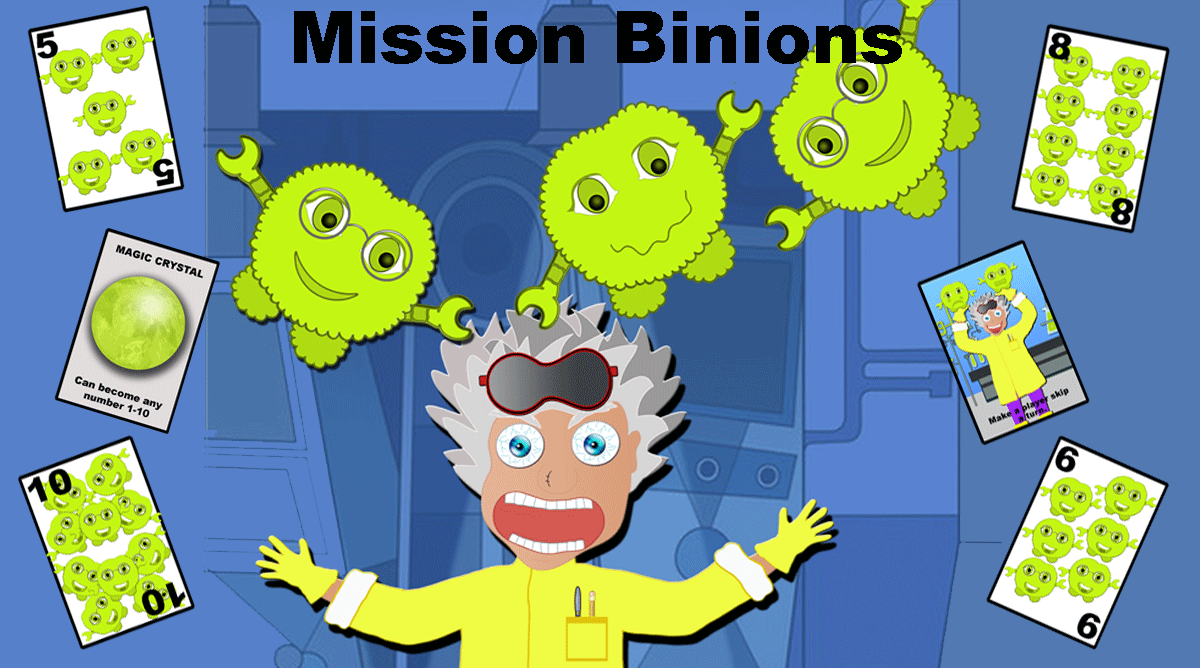
Addition to 10 card game
Mission “Save the Binions”! “Save the Binions” is a card game that you can print for free and play with your young ones. The game helps practice addition to 10 but you can add the extra cards to practice addition to 20. The game is perfect for students ages 4 …
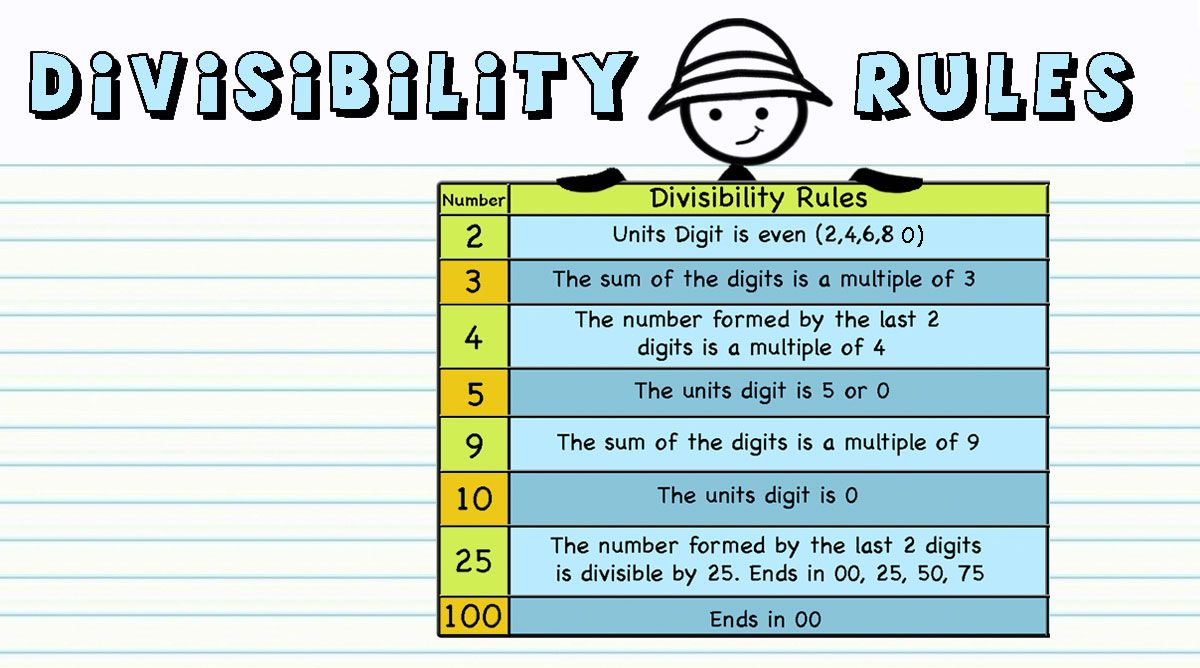
Divisibility Rules – Print and digital Activity cards and worksheets
Divisibility Rules help us figure out if a number is divisible by 2, 3, 4, 5, 9, 10, 25 and 100. They help us perform a divisibility test easily and quickly. Students usually know the factors of the numbers 1-100 by grade four from practicing the multiplication facts. Divisibility rules …
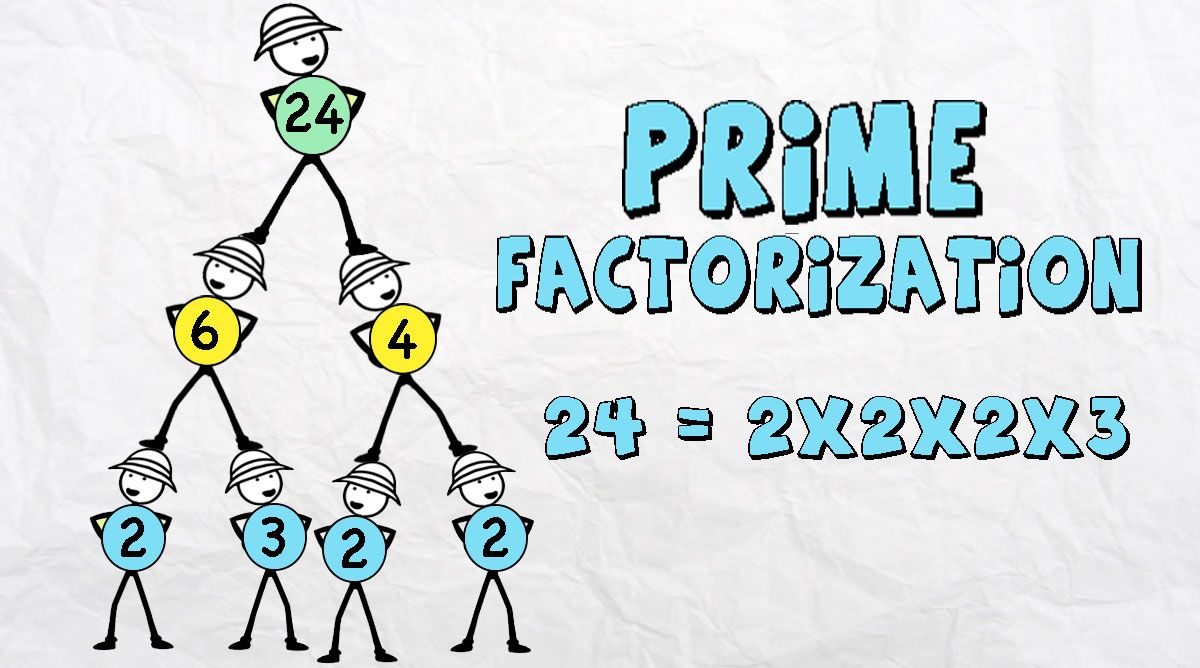
Prime Factorization
Prime Factorization is the method of finding which set of prime numbers multiply together to make a number. In a previous post, we talked about factorization, which is a method of finding the factors of a number but not necessarily the prime factors. What is different with prime factorization is that we …
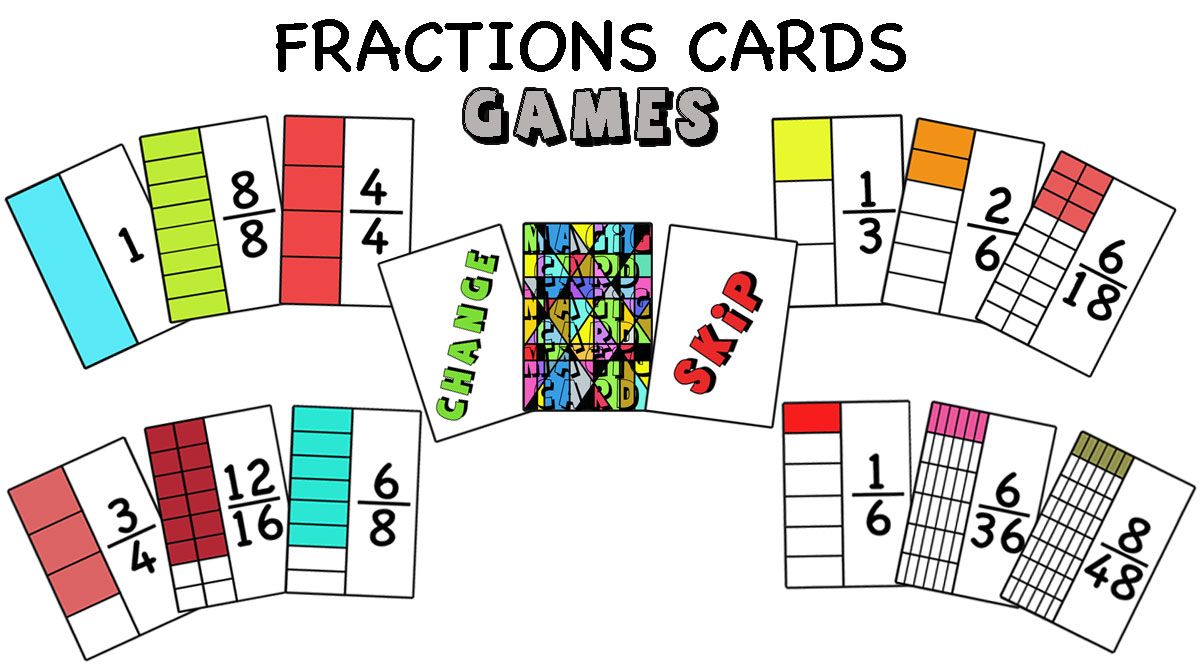
Fractions Card Games
We all know that in order to be able to solve equivalent fractions problems students should understand multiplication and division well and know their multiplication and division facts. However, my experience has shown me that children are successful in understanding these concepts when they have a lot of practice with …

How to Foster a Positive Attitude Towards Math at Home
Fostering a positive attitude towards math from a very young age prepares children for success in math. Studies have found that a positive attitude toward math boosts the brain’s memory center and improves math performance. Every child can be successful in math with good teaching, coaching, practice, encouragement, and motivation. …
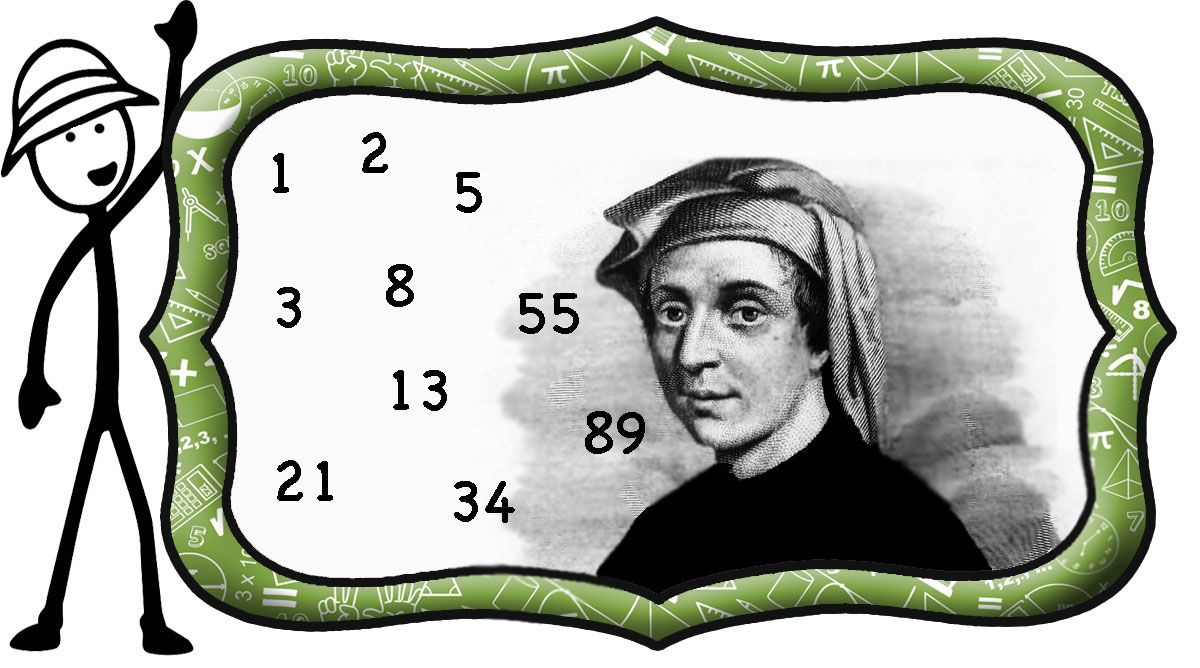
Great Mathematicians: Fibonacci
Fibonacci was an Italian mathematician who studied math and theories back in the 11th century. He was one of the first Europeans to write about algebra. His most important book, Liber abaci promoted the use of Hindu-Arabic numerals in Europe. Fibonacci is probably best known for his famous sequence. The …
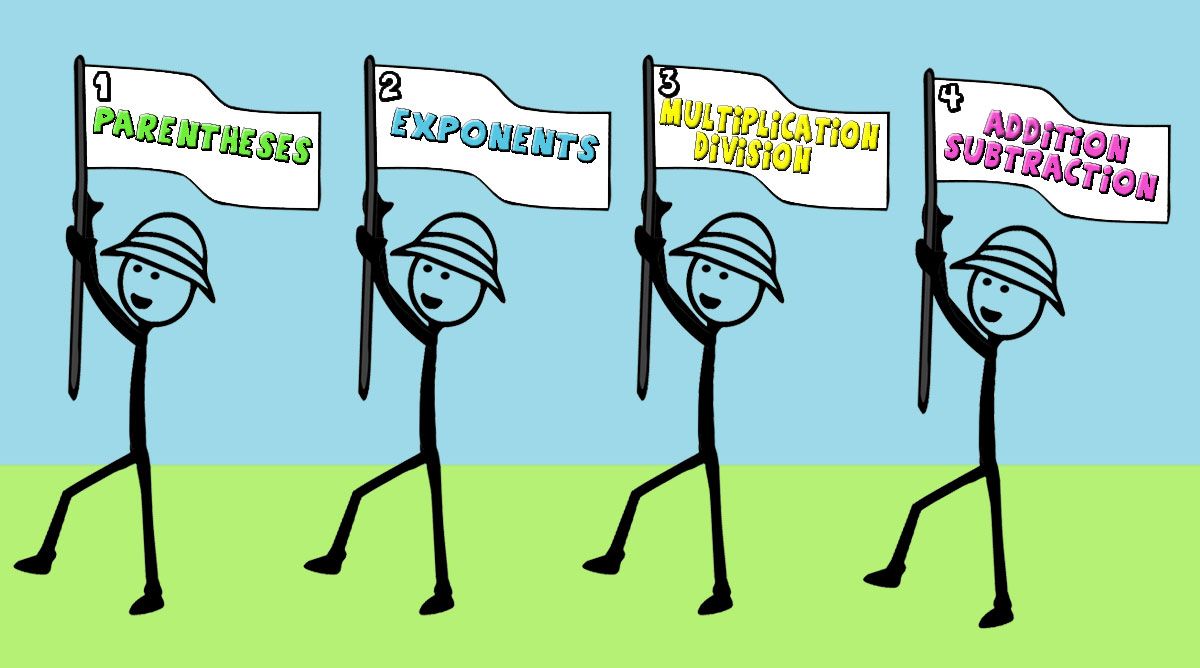
Order of operations- Ideas-Games- Task Cards
The order of operations is a group of rules that tells you the right order in which to solve different parts of a math problem. It is like an agreement we all made to be sure that we read and understand a problem the same way. According to the order of operations, we need to first …
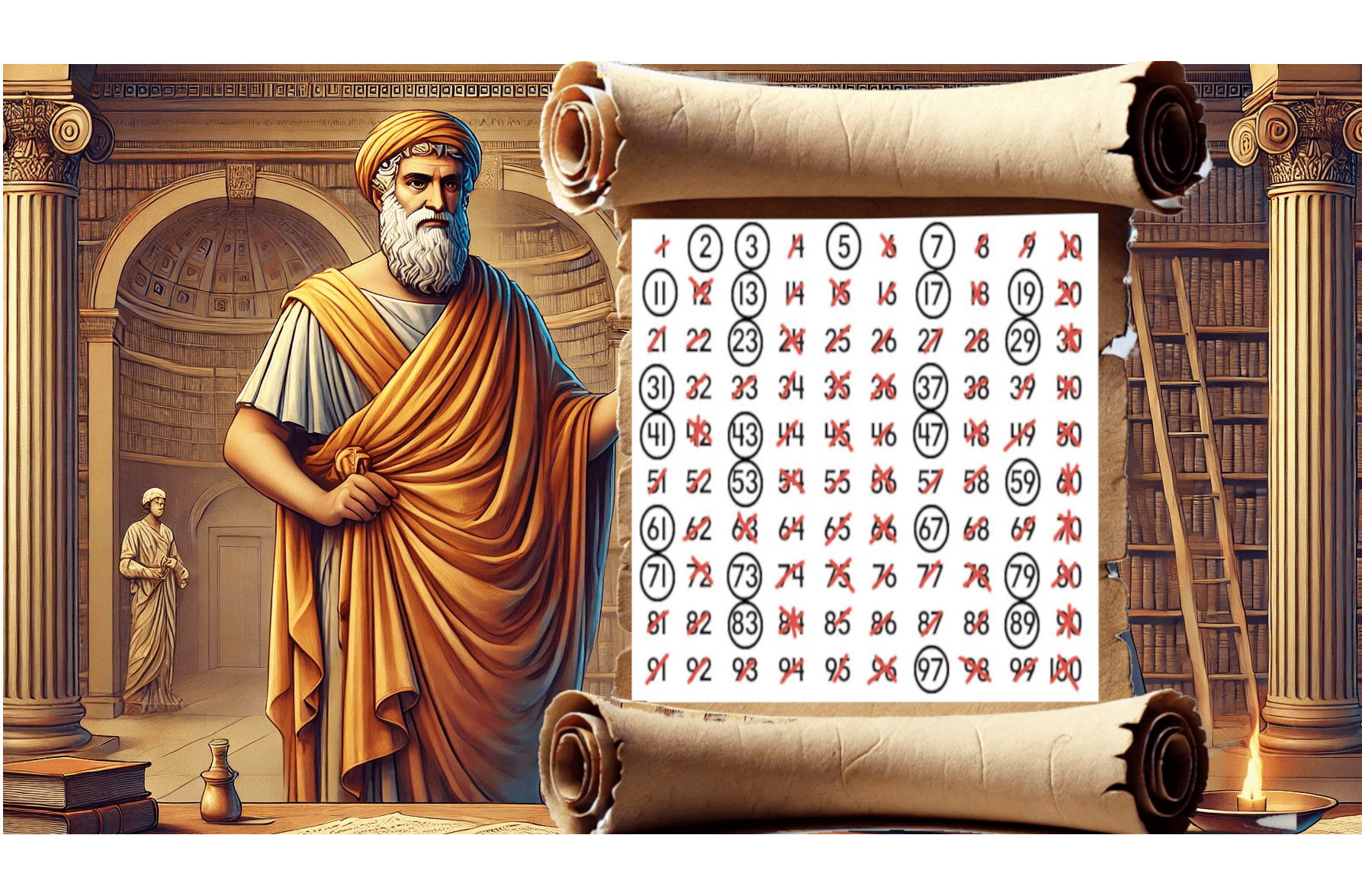
Great Mathematicians: Eratosthenes
Eratosthenes and His Sieve Prime Numbers and “The Sieve of Eratosthenes” Over two thousand years ago a Greek mathematician named Eratosthenes invented an ingenious technique that helps to find all the prime numbers between one and two hundred. It is a very interesting procedure called “The Sieve of Eratosthenes”. Of …
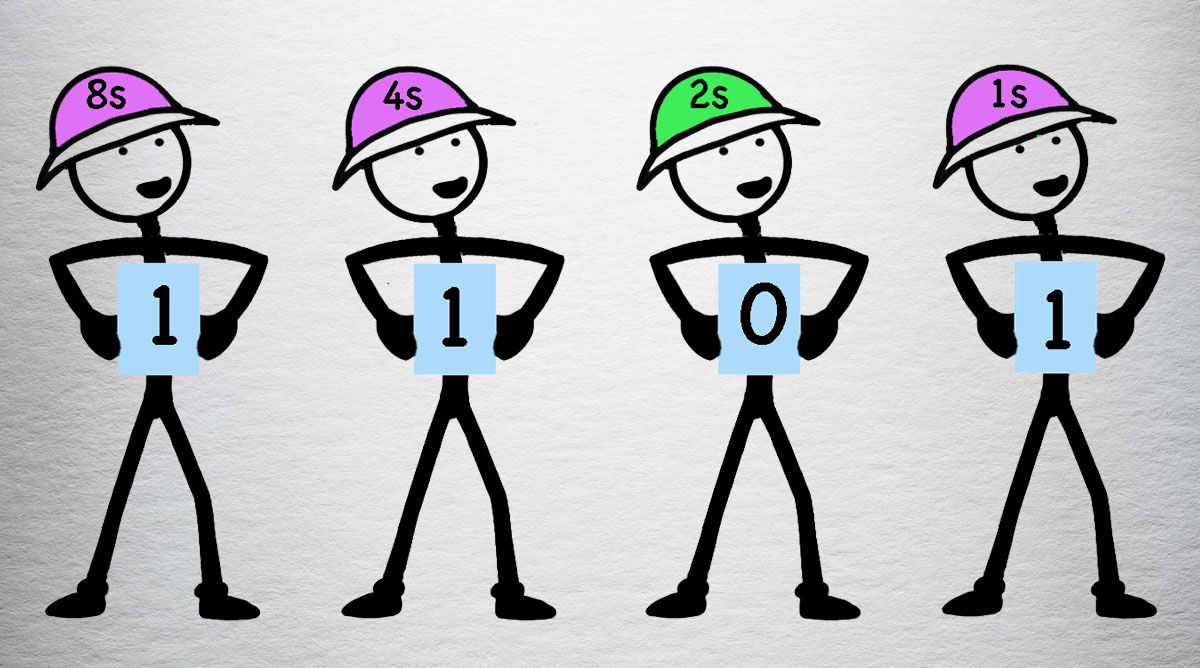
Teaching Binary Numbers
The connection of binary number system to computers makes it a very interesting concept for students. The binary number system helps to store information of all kinds on computers. Computers use binary digits (or bits) because they can only read and store an on or off charge. So, using 0 …